Feng Shui Class in Singapore for Traditional Learning
What You Can Learn in a Feng Shui Class in Singapore
Feng Shui is an ancient Chinese practice that explores the relationship between people and their surroundings. It looks at how a space is arranged and how different elements work together. Today, many people study Feng Shui to better understand how their homes, workplaces, and daily environments can feel more balanced.
A Feng Shui Class in Singapore gives beginners a chance to learn these ideas in a clear and structured way. Instead of relying only on general tips found online, students can learn the principles behind traditional Feng Shui and understand why certain practices are used.
One important part of learning Feng Shui is understanding balance. Traditional Feng Shui looks at the interaction between different elements and the flow of energy within a space. Students can learn how these ideas relate to furniture placement, room layouts, entrances, natural light, and the overall use of a space.
The five elements are another important part of traditional Feng Shui. These are wood, fire, earth, metal, and water. Each element has its own qualities and associations. Learning about these elements can help students understand how balance is considered when looking at a home or workplace.
Feng Shui is not only about making a space look nice. It also looks at how people use a space. Students can learn to look at the room, the furniture, the doors, and the way people move. A good space can feel calm, clean, and easy to use. A Feng Shui Class in Singapore can help beginners learn these ideas in a simple way.
A simple class can make Feng Shui easier to learn. A good teacher can explain each idea one step at a time. Students can learn at their own speed and ask questions when they need help. A Feng Shui Class in Singapore can also show students how these ideas are used in different spaces.
Feng Shui can be useful for people who work with homes and buildings. Homeowners, business owners, designers, and property workers can learn how people use the spaces around them.
At Lee Wudang, Feng Shui is part of Chinese culture and Taoist teachings. We also teach Tai Chi, Qigong, Ba Duan Jin, meditation, tea, and calligraphy. These practices are linked to Wudang Mountain.
This helps students see Feng Shui as more than rules about where to put things. They can also learn about the old Chinese ideas behind Feng Shui. This can help them understand the practice in a simple way.
For anyone who wants to learn Feng Shui and Chinese culture, a Feng Shui Class in Singapore is a good place to start. Students can learn the basic ideas and how they relate to people, nature, and the spaces around them.
Feng Shui Courses in Singapore for Practical Knowledge
Explore Feng Shui in Courses Singapore with Lee Wudang
Feng Shui is an old Chinese practice. It looks at how people use the spaces around them. It also looks at how a home or workplace is set up. Today, many people learn Feng Shui to make their spaces feel calm and balanced. Feng Shui Courses in Singapore can help beginners learn these ideas.
A Feng Shui Class in Singapore is a good way to learn the basics. Students can learn each idea step by step. They can also learn why some Feng Shui methods are used. People who want to learn more can join Feng Shui Courses in Singapore to build their knowledge.
Balance is an important part of Feng Shui. It looks at how different parts of a space work together. Students can learn about furniture, rooms, doors, windows, and other parts of a home or office.
The five elements are also important. They are wood, fire, earth, metal, and water. Each one has its own meaning. Learning about the five elements helps students understand balance. This is one of the topics taught in Feng Shui Courses in Singapore.
Direction is another part of Feng Shui. A Feng Shui class can teach students how to look at the direction of rooms, doors, and furniture. This can help them use Feng Shui in a home or workplace.
Feng Shui is not only about making a space look nice. It is also about how people use a space. A well-planned space can feel calm, clean, and comfortable.
At Lee Wudang, Feng Shui is linked to the old teachings of Wudang Mountain and Taoist culture. Students can learn Feng Shui while also learning about other Chinese practices. Feng Shui Courses in Singapore can help people learn these ideas with a teacher.
The class can also teach the basic ideas behind Feng Shui. These include balance, nature, and how people live in the spaces around them.
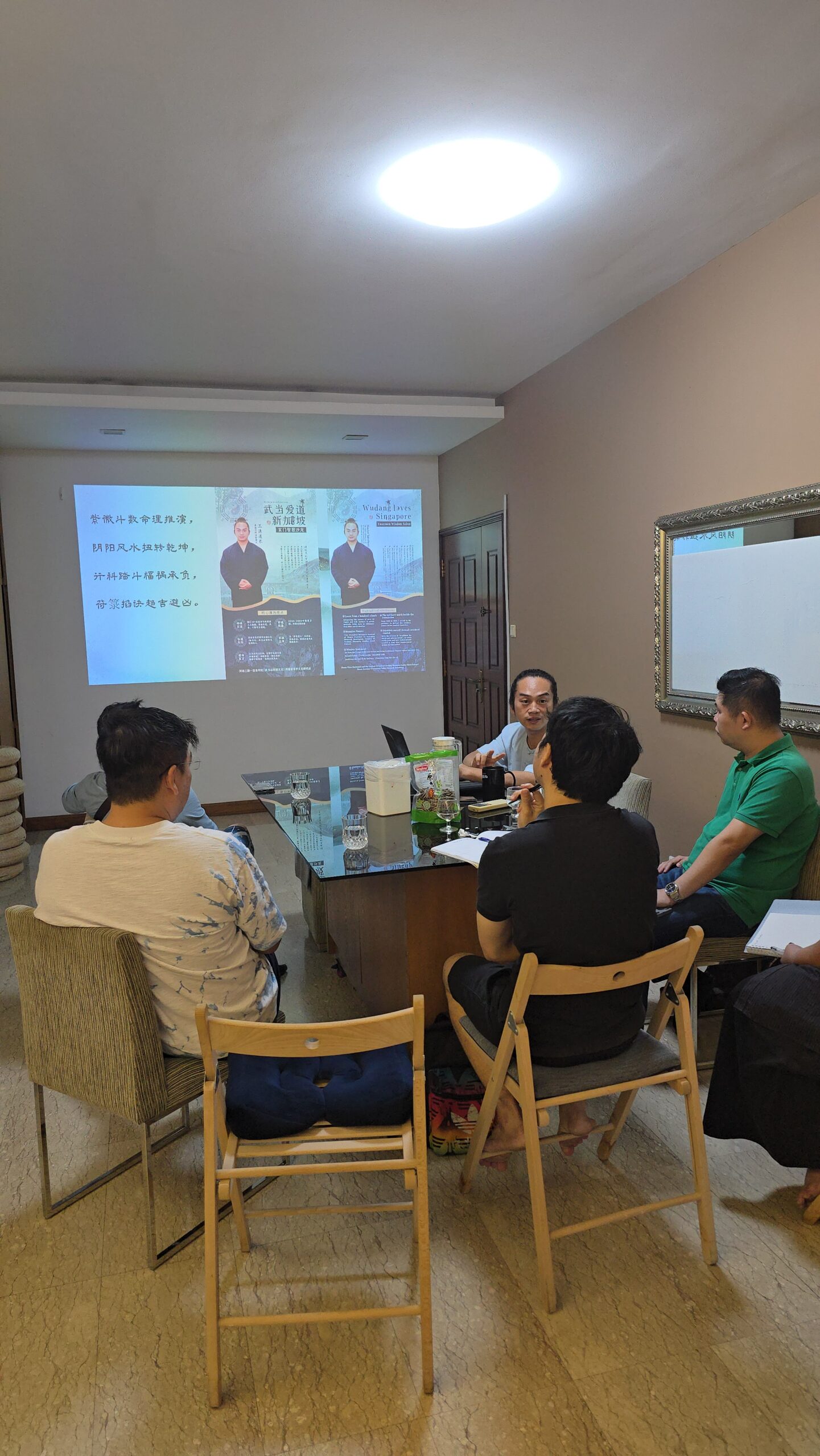
Lee Wudang also offers other Chinese practices. These include Tai Chi, Qigong, Ba Duan Jin, meditation, tea, calligraphy, and other cultural activities. Students can join these activities to learn more about Chinese culture.
These practices can help students learn more about Feng Shui. They can see how Feng Shui is part of a wider Chinese tradition. This can make the learning process easier and more interesting.
People who want to use Feng Shui at home can also learn about a Feng Shui Cleansing Ritual. This is another old practice linked to Feng Shui. It can help people learn how these traditions are used in homes and other spaces.
A Feng Shui course is a good place to start if you are new to the subject. Simple lessons can help you learn the basic ideas. With more practice, you can become more familiar with Feng Shui and how it is used in daily spaces.
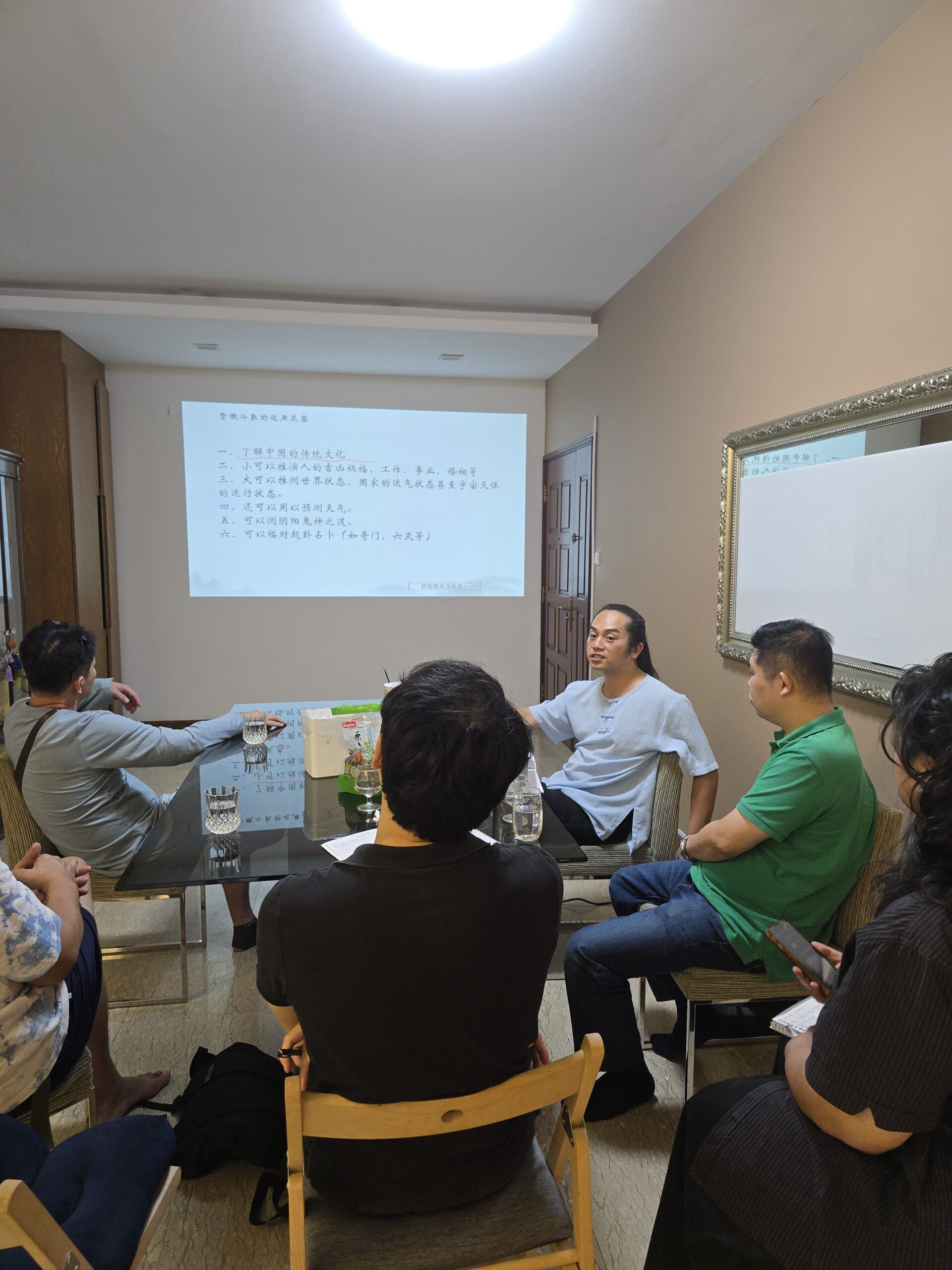
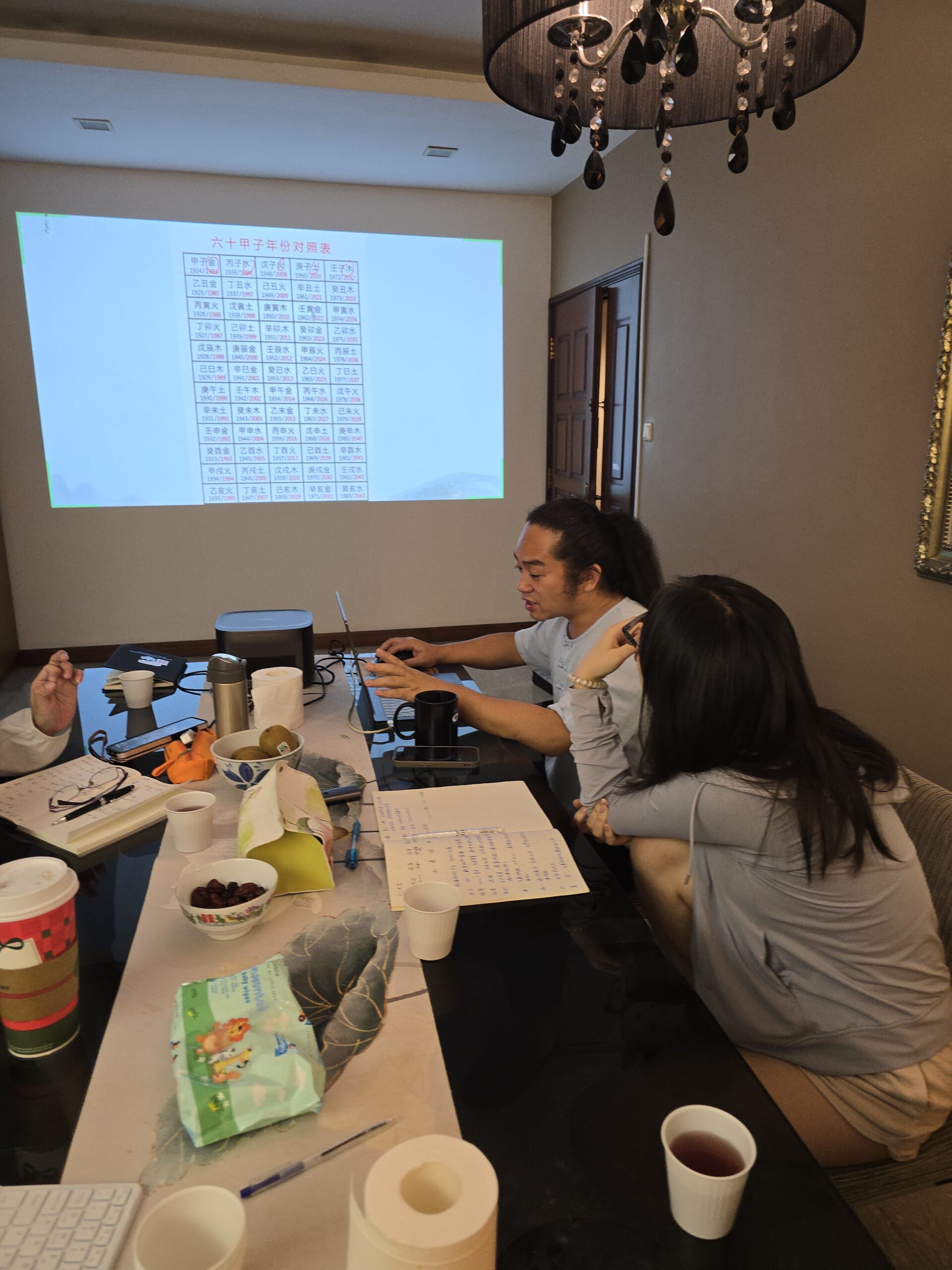
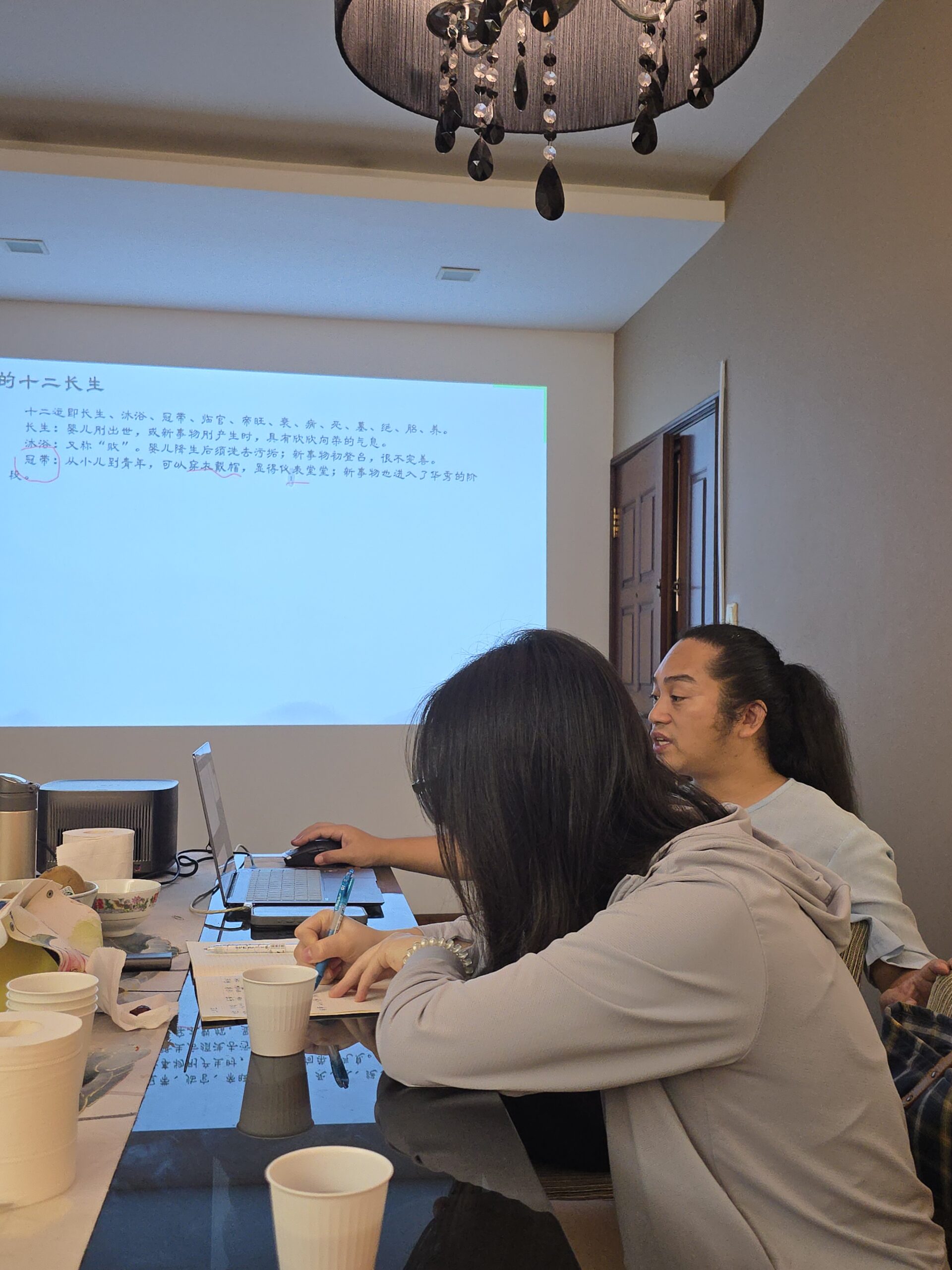
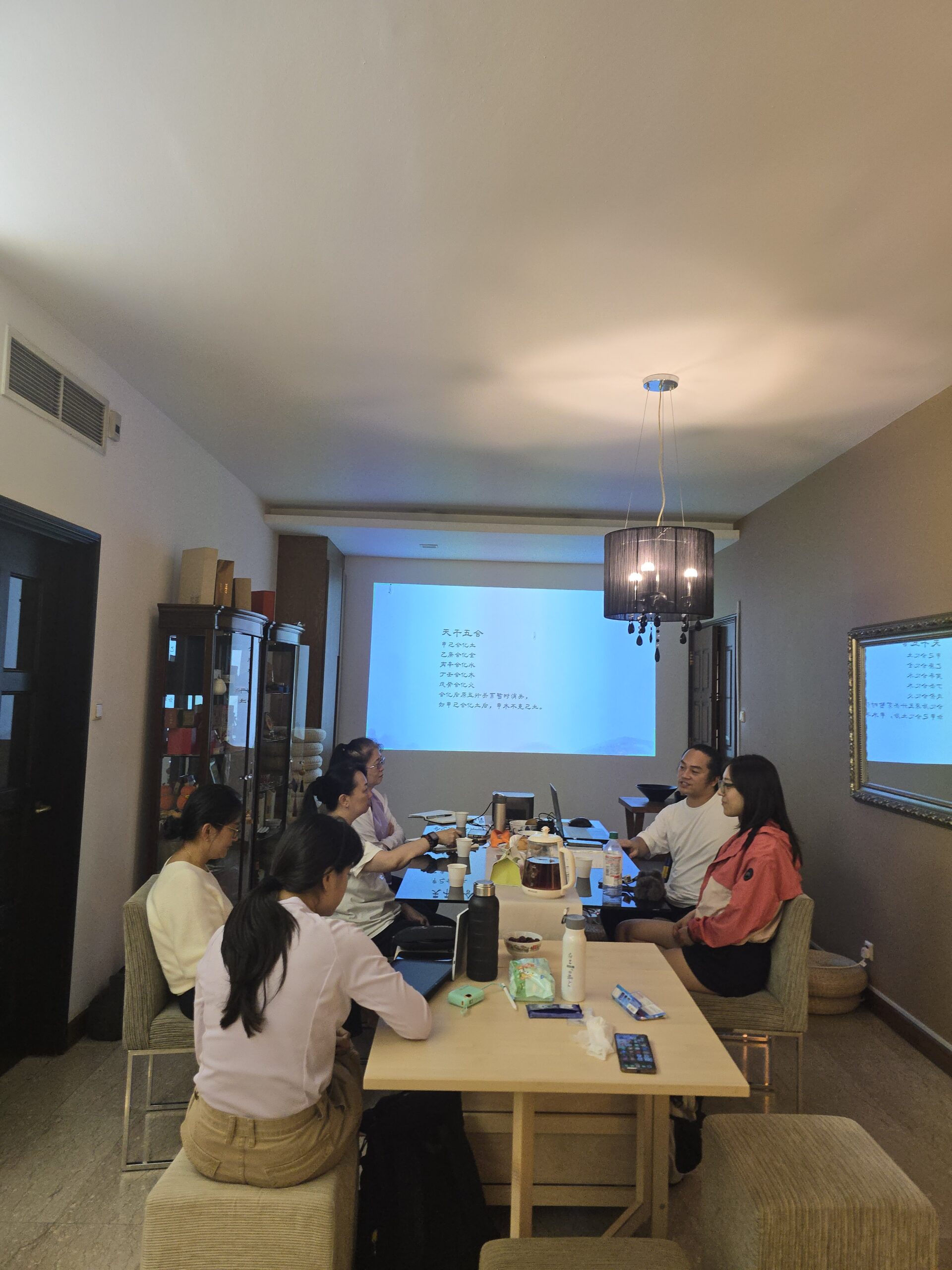
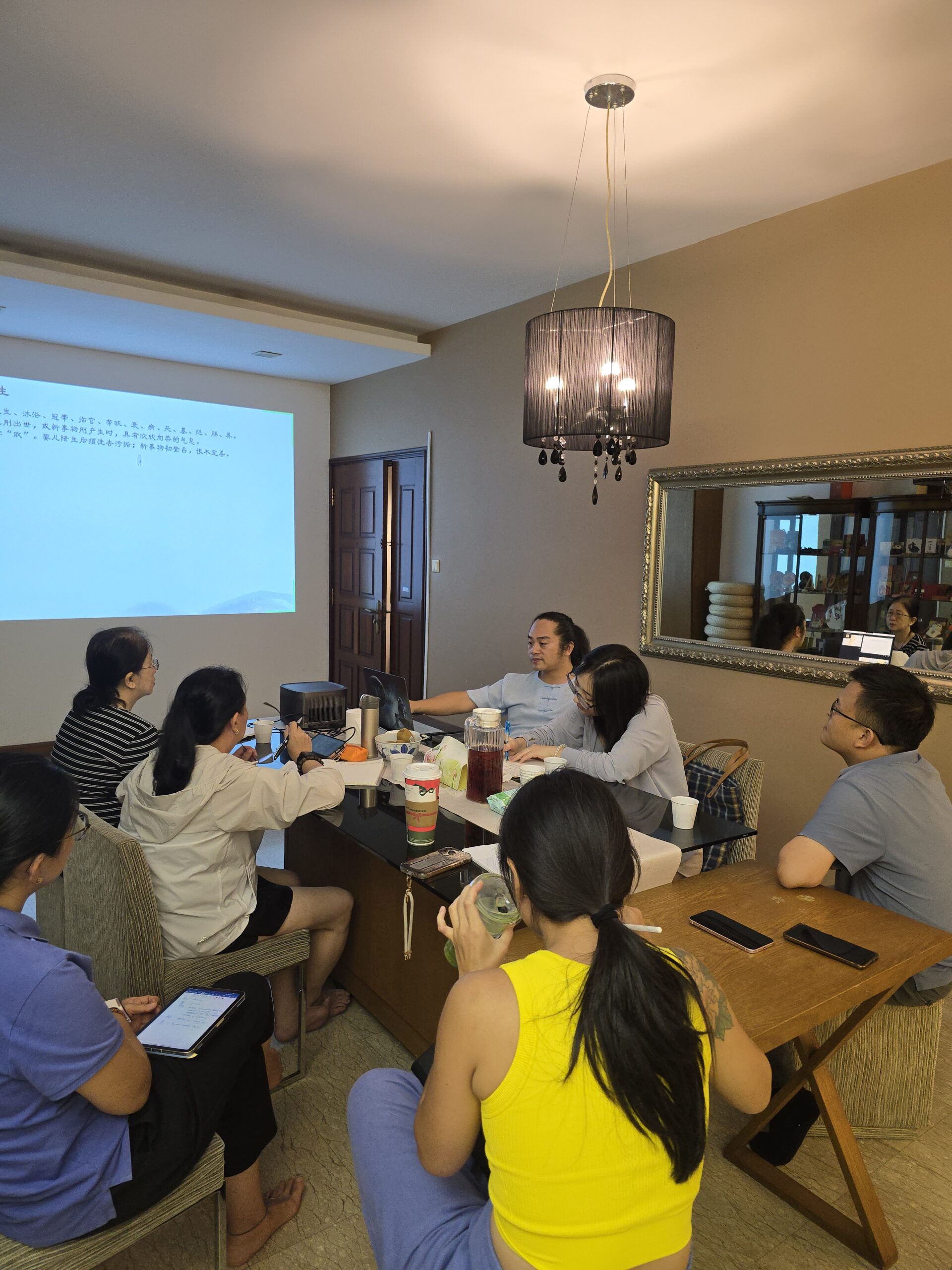
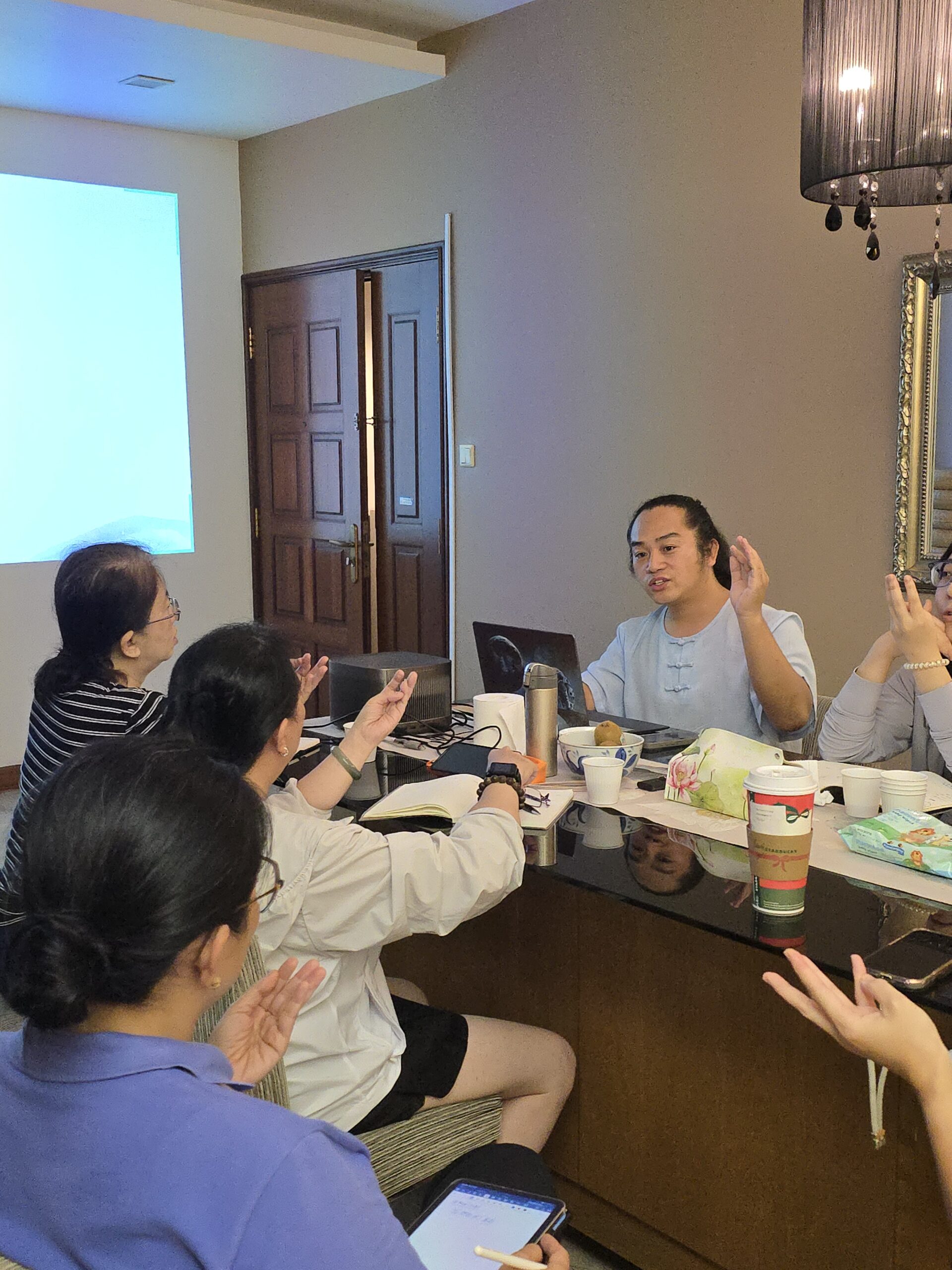
Learn Feng Shui Through Wudang Culture and Wisdom
Feng Shui comes from old Chinese ideas. It looks at nature and how people live in the spaces around them. Learning Feng Shui is not only about where to put things in a home or office. It also helps people learn more about Chinese culture. A Feng Shui Class in Singapore can help beginners learn these ideas in a simple way.
At Lee Wudang, Feng Shui is linked to Wudang Mountain. Wudang is known for its Taoist history, old practices, and natural beauty. Students can learn Feng Shui while also learning more about Chinese culture. Feng Shui Courses in Singapore can give students more time to learn these ideas.
Lee Wudang also offers other Chinese practices. These include Tai Chi, Qigong, Ba Duan Jin, meditation, tea, and calligraphy. These activities can help people learn about balance, focus, and calm.
Learning Feng Shui can also help people notice more about their space. They can look at how light enters a room or how people move around it. These simple details can change how people see their homes and workplaces. A Feng Shui Class in Singapore can teach students how to look at these details.
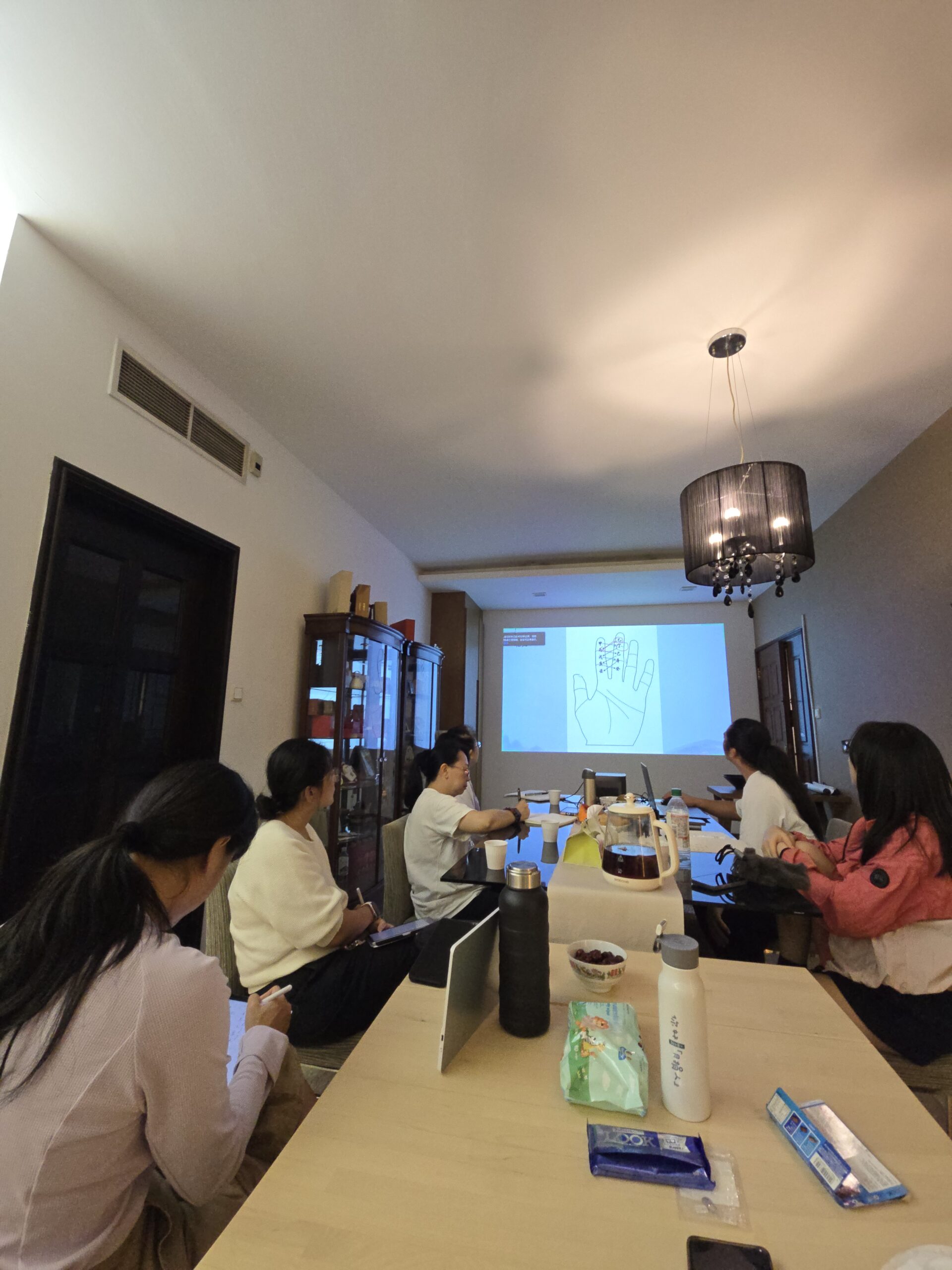
Feng Shui can also be useful for homeowners and business owners. Homeowners can learn how to set up their rooms. Business owners can think about how their offices or shops feel to staff, customers, and guests. Feng Shui Courses in Singapore can help people learn these basic ideas step by step.
The culture behind Feng Shui is also important. Old Chinese teachings focus on balance between people, nature, and the spaces where they live. Learning these ideas can help people understand why Feng Shui has been used for many years.
Lee Wudang shares these teachings in Singapore. They come from Wudang Mountain, which has a long Taoist history. This gives people a chance to learn about Feng Shui and Chinese culture. A Feng Shui Class in Singapore is a simple place to start.
Feng Shui is more than a list of rules. Students can learn where it comes from and why it is used. Feng Shui Courses in Singapore can help students learn the basic ideas, history, and Chinese culture behind Feng Shui.
For those who want to continue learning after an introductory class, guidance from a Feng Shui Master Singapore can provide a deeper look into traditional principles and how they relate to different spaces. Learning from an experienced practitioner can also help students understand how these ideas are applied beyond basic theory.
Lee Wudang also offers other Chinese practices. These include Tai Chi, Qigong, Ba Duan Jin, meditation, tea, and calligraphy. These activities give people a simple way to learn and practise old Chinese customs.
Learning Feng Shui can change the way you look at your home or workplace. It can help you notice how a room is used and how people move through it. Through Lee Wudang, students can learn Feng Shui while also learning about Wudang Mountain and Chinese culture.
What is Wudang Shan?
Wudang Shan, also known as Wudang Mountain, is a famous mountain in China. It is known for its Taoist temples and martial arts. It is also the home of Wudang Tai Chi and many traditional internal martial arts.
What is the difference between Wudang and Shaolin?
Wudang focuses on internal martial arts that emphasise balance, breathing, and flowing movements based on Taoist philosophy. Shaolin focuses on external martial arts that develop strength, speed, and endurance and are rooted in Buddhist traditions.
In which province is Wudang Shan located?
Wudang Shan is located in Hubei Province in central China. It is home to a UNESCO World Heritage Site known for its ancient Taoist temples and rich cultural history.
How many stairs are on the Wudang Mountain?
FAQ
How can I learn Feng Shui?
You can learn Feng Shui through structured courses, workshops, books, or by studying under an experienced practitioner. A good starting point is to understand core concepts such as the Five Elements, Yin and Yang, Qi, and the Bagua.
What not to do in Feng Shui?
Avoid applying Feng Shui rules without considering the layout, surroundings, and purpose of a space. It is also best not to overcrowd your home with symbolic objects or make major changes based on a single Feng Shui principle.
Can I study Feng Shui?
Yes, anyone can study Feng Shui. Beginners can start with introductory classes before progressing to more detailed topics such as space analysis, the Five Elements, and traditional Feng Shui methods.