
Wudang Shan: The Sacred Home of Taoist Wisdom and Holistic Living
Ba Duan Jin is one of the oldest forms of Qigong in Chinese culture. It has been practised for hundreds of years to improve health, build strength, and support a calm mind. The name means “Eight Brocades.” It refers to a series of eight gentle movements that work together to improve the body and mind.
Each movement has a clear purpose. Some help improve posture. Others support breathing, balance, or flexibility. The exercises are slow and controlled, making them suitable for people of many ages and fitness levels. There is no need for fast movements or heavy exercise. Instead, Ba Duan Jin encourages steady practice and mindful movement.
The practice is deeply connected to Taoist philosophy. It teaches that the body and mind should work together in harmony. Instead of forcing movement, each exercise flows naturally from one position to the next. This helps the body relax while keeping the mind focused.
For many people, Ba Duan Jin is more than physical exercise. It is also a way to slow down after a busy day. Regular practice encourages better awareness of breathing, posture, and movement. Over time, many practitioners feel more balanced and more connected to themselves.
Another important practice is Wudang Tai Chi. It is known for slow, gentle movements. It helps improve balance, focus, and inner peace. Together with Ba Duan Jin, it is part of the long history of Wudang Shan. These practices have made the mountain famous around the world.
Nature is also a big part of Wudang Shan. The mountain has green forests, fresh air, and quiet walking trails. The peaceful setting helps people relax and slow down. Many visitors say they feel refreshed after spending time there.
Wudang Shan is different from busy tourist spots. Life moves at a slower pace. Visitors can explore ancient temples, watch traditional practices, and learn about Taoist philosophy. These experiences help people understand Chinese culture and its link to health and well-being.
At Lee Wu Dang, Wudang Shan is more than a place to visit. It is the heart of everything we do. Our programmes are based on traditions that have been passed down for many generations. We share these teachings in Singapore and through cultural trips to China. Our goal is to help more people discover the wisdom, balance, and harmony of Wudang Shan.
Whether you want to learn about Chinese culture, improve your well-being, or grow as a person, Wudang Shan has something to offer. It brings together history, nature, and Taoist philosophy. Together, they inspire a healthier and more mindful way of life.
Discover the Culture and Traditions of Wudang Shan
Wudang Shan is known for more than its mountains and temples. It is a place where history, culture, and wellness come together. For many years, people have visited Wudang Shan to learn about Taoist traditions and enjoy a slower way of life.
Life on Wudang Shan is guided by balance, respect, and harmony. These values are part of everyday life. You can see them in the way people move, practise, and care for both body and mind. Many visitors leave feeling calm, relaxed, and refreshed.
The temples of Wudang Shan are an important part of its history. Many are hundreds of years old and still welcome visitors from around the world. Walking through these peaceful places gives people a break from busy daily life. It is a chance to slow down and enjoy a quiet moment.
Nature is a big part of Wudang Shan. The mountain has forests, fresh air, and peaceful walking paths. These natural spaces are perfect for rest and quiet reflection. Many traditional practices also take place outdoors. This helps people feel closer to nature.
Taoist philosophy teaches people to live in harmony with nature. It encourages people to work with nature, not against it. This simple idea still shapes daily life on Wudang Shan. It also guides many of the wellness practices that visitors can experience today.

Many people visit Wudang Shan for more than the views. They want to learn about its history and culture. They also want to see how people live and practise Taoist traditions today.
At Lee Wu Dang, we believe the best way to learn about Wudang Shan is to visit it. That is why we offer a three-night cultural journey. It lets you see the mountain and its traditions up close.
During the trip, you visit old temples and enjoy the quiet mountain views. You also learn about the history of Wudang Shan. Local guides share stories and explain the customs that people still follow today.
The journey is more than a holiday. It gives you time to slow down and enjoy a different way of life. You can see how Taoist values shape daily life on Wudang Shan.
You also join simple cultural activities. These may include meditation, tea tasting, calligraphy, and traditional wellness practices. Each activity helps you learn more about the local culture.
The journey is open to everyone. You do not need any experience. It is suitable for first-time visitors and people who already enjoy Chinese culture.
There is plenty of time to enjoy each place. You do not have to rush. This makes the journey more relaxing and more meaningful.
Many guests return home with a new view of health and well-being. They learn simple ideas they can use in daily life. They also gain a deeper respect for Chinese culture.
At Lee Wu Dang, Wudang Shan is more than a place to visit. It is where history, culture, and wellness come together. We want more people to experience its traditions and enjoy its peaceful way of life.
Experience Wudang Shan with Lee Wu Dang
A trip to Wudang Shan is more than a holiday. It is a chance to learn about Taoist culture. Every temple, mountain path, and old tradition has its own story.
At Lee Wu Dang, we believe the best way to learn about Wudang Shan is to visit it. Our three-night cultural journey helps you see more than the usual tourist spots. You learn about the mountain from people who know its history and local traditions.
During the journey, you visit old temples and enjoy the mountain views. You learn how people still live and follow Taoist traditions on Wudang Shan today. Each activity helps you understand the local culture.
You also take part in traditional Chinese wellness activities. These include guided sessions that explain Taoist ideas in a simple way. You will see how these teachings still shape daily life on Wudang Shan.
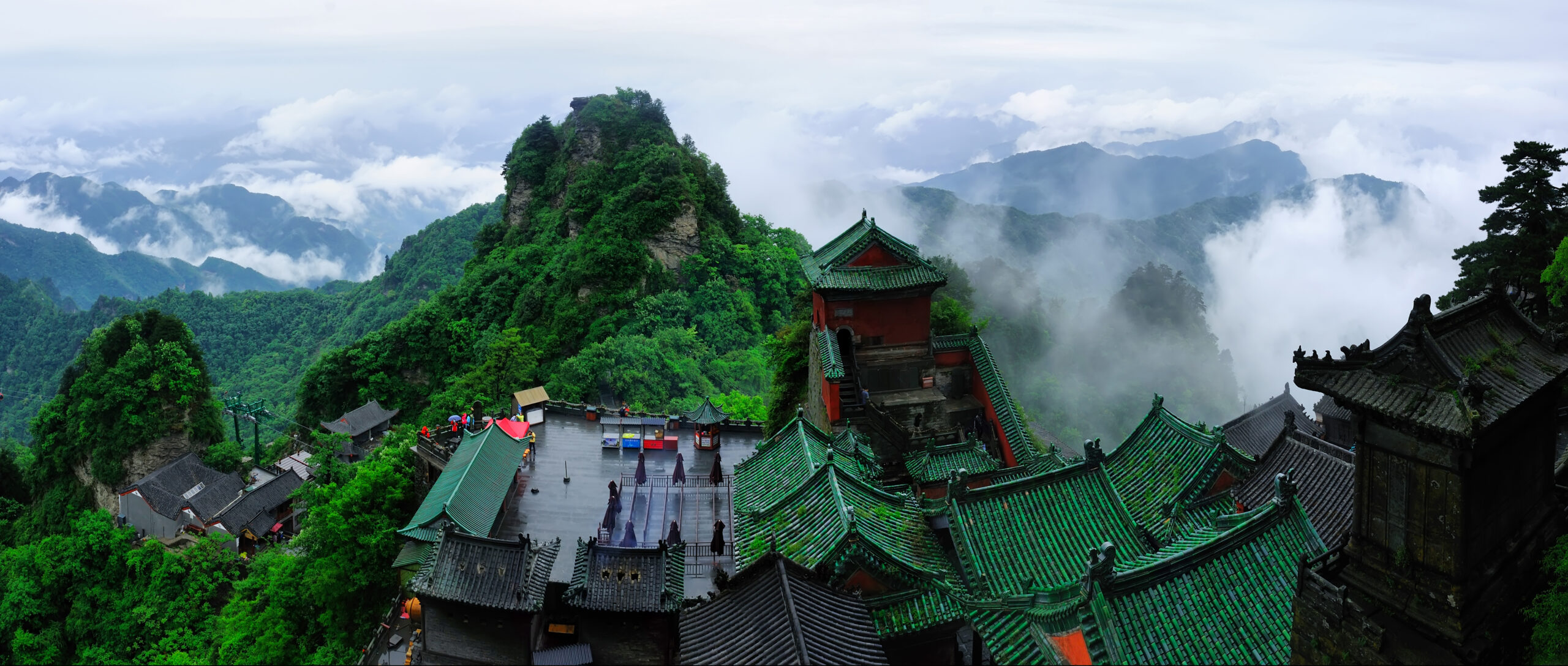
There is also time to relax and enjoy the peaceful mountain. Walk along quiet paths and visit old temples. Take in the fresh air and calm surroundings. People have come to Wudang Shan for hundreds of years to enjoy its beauty and peaceful way of life.
One of the best parts of the journey is learning about the traditions of Wudang Shan. You do more than read about Taoist culture. You take part in local activities and learn from people who know these traditions well. This makes the experience more real and memorable.
The journey is open to everyone. It is suitable for individuals, couples, families, and groups. Whether you enjoy history, wellness, Chinese culture, or personal growth, there is something for you.
At Lee Wu Dang, we want to share the traditions of Wudang Shan with more people. Every programme is based on respect for local culture. Our goal is to help visitors learn about the wisdom and way of life found on the mountain.
Many guests take home more than photos. They learn new skills and ideas. They enjoy lasting memories with family and friends. Many also use what they learned in daily life. Small changes can help them live with more balance and calm.
Wudang Shan is a special place to learn, rest, and explore. It brings together history, nature, and Taoist culture. Our three-night journey helps you see the real Wudang Shan. You can visit old temples, enjoy the mountain, and learn from local traditions. It is a trip you will remember long after you return home.
FAQ
What is Wudang Shan?
Wudang Shan, also known as Wudang Mountain, is a famous mountain in China. It is known for its Taoist temples and martial arts. It is also the home of Wudang Tai Chi and many traditional internal martial arts.
What is the difference between Wudang and Shaolin?
Wudang martial arts focus on balance, breathing, and slow, flowing movements. They are based on Taoist teachings. Shaolin martial arts focus on strength, speed, and power. They are based on Buddhist traditions.
In which province is Wudang Shan located?
Wudang Shan is in Hubei Province, China. It is famous for its ancient Taoist temples, rich history, and UNESCO World Heritage status.